Land Clearing vs. Grading: Key Differences for Saanich Property Owners
When you stand on a piece of land – whether it’s a wooded lot, a sloped backyard, or a property ready for development – it’s easy to assume that preparing it for construction is a single step. In reality, site preparation is a layered process, and two of the most important stages are often misunderstood: land clearing and land grading.
While both are essential, they serve entirely different purposes. One prepares the surface by removing obstacles, while the other shapes the land to support what comes next. Choosing the right service – or knowing when you need both – can determine how smoothly your project progresses.
This guide breaks down the difference between land clearing services and grading, helping homeowners and builders make informed decisions for their property.
Table of Contents
ToggleWhat is Land Clearing?
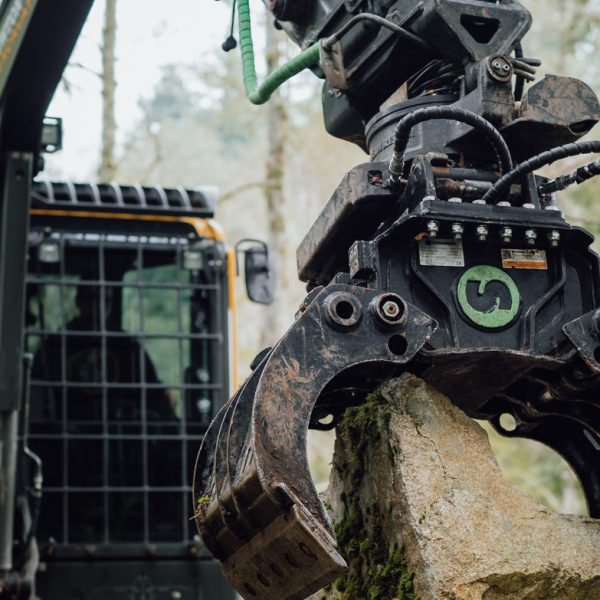
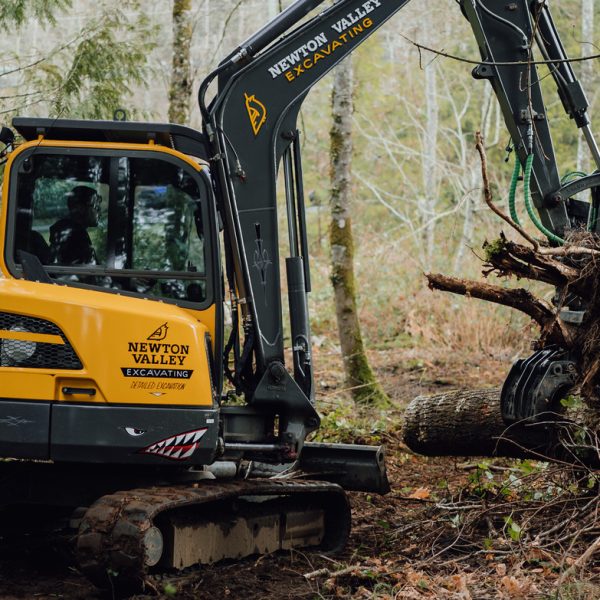
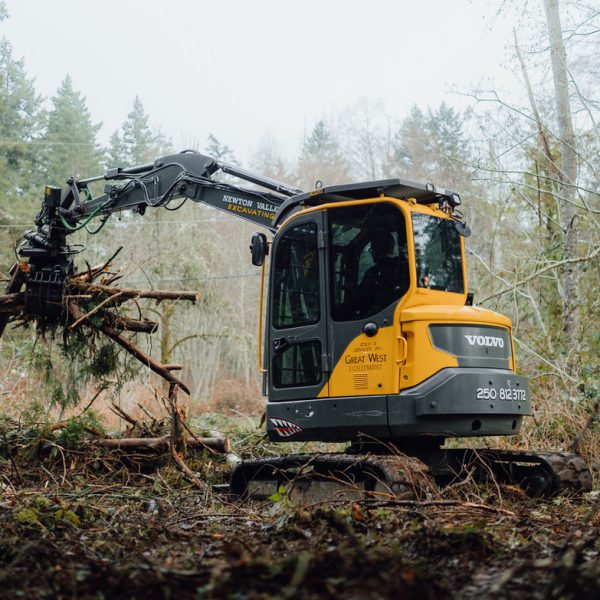
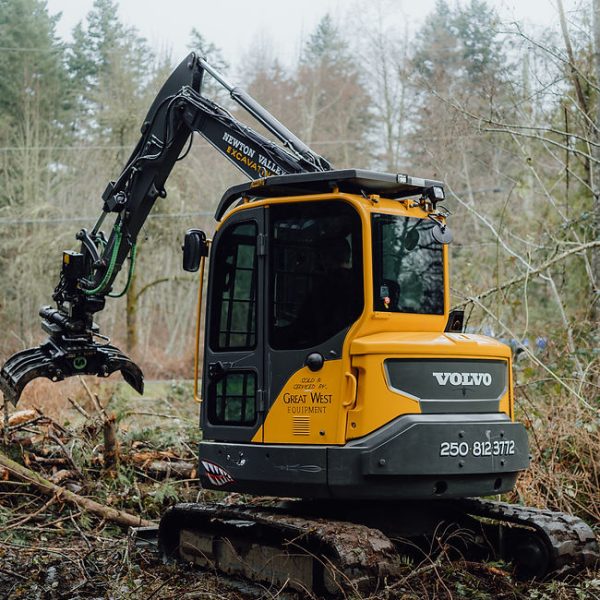
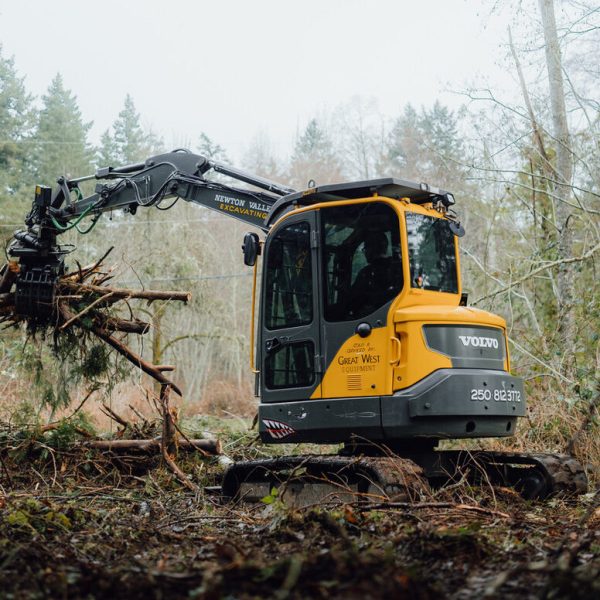
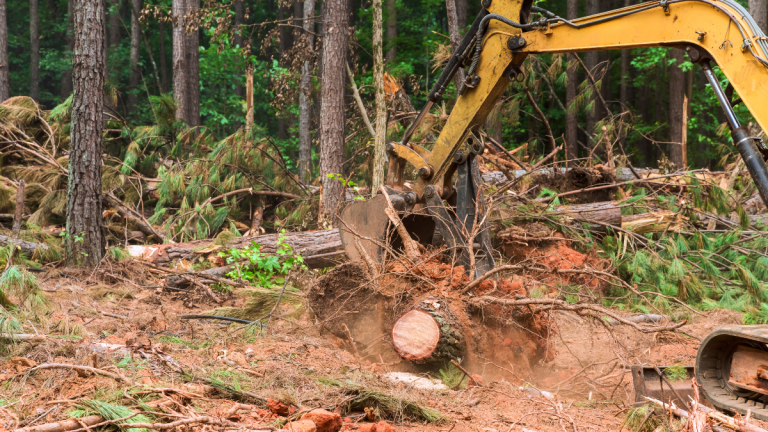
Land clearing is the first step in transforming raw or overgrown land into a workable site. It involves removing trees, shrubs, stumps, rocks, and debris that obstruct construction or landscaping plans.
Professional land clearing contractors in Saanich use specialized equipment to ensure the process is efficient while minimizing disruption to surrounding areas. Depending on the project, clearing may range from removing light vegetation to fully preparing a lot for development.
For residential properties, this stage is especially important when dealing with overgrown yards, wooded lots, or land that hasn’t been maintained for years.
Key Objectives of Land Clearing
The purpose of land clearing extends beyond simply removing visible obstacles. It sets the stage for safe and effective construction.
Key objectives include:
- Creating a Clean Working Surface: Clearing removes vegetation, roots, and debris that can interfere with excavation, foundation work, or landscaping projects.
- Improving Site Accessibility: Removing obstacles allows equipment and crews to access the property safely and efficiently during subsequent phases.
- Preventing Future Structural Issues: Organic material left beneath the surface can decompose over time, leading to ground instability. Proper clearing reduces this risk.
- Enhancing Property Usability: Clearing creates usable space, making it easier to visualize and execute design plans for homes, driveways, and outdoor features.
Residential land clearing services are often tailored to preserve desirable elements while removing only what’s necessary.
What is Land Grading?
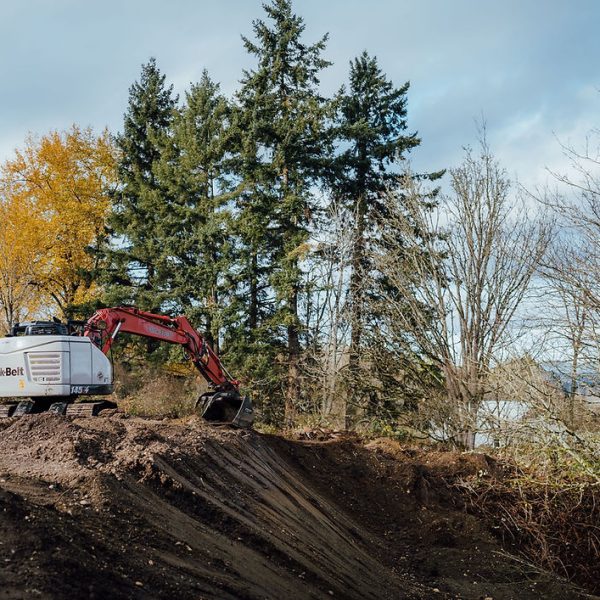
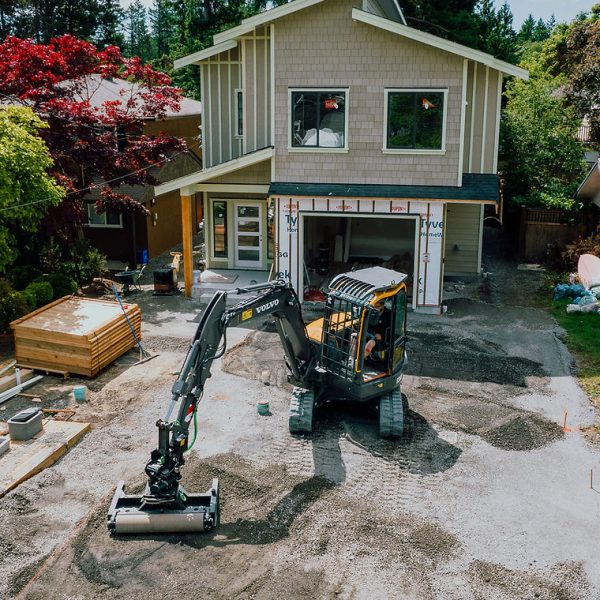
Land grading is the process of shaping and levelling the ground to create a stable, functional surface. Unlike clearing, which removes obstacles, grading focuses on adjusting elevation and slope.
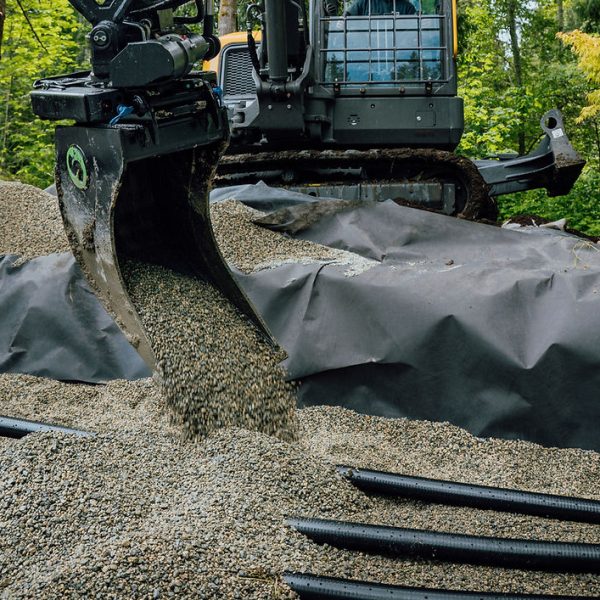
Land grading is essential for managing water flow, ensuring structural stability, and preparing the site for construction. It involves moving soil, adjusting contours, and compacting the ground to meet specific design requirements.
For homeowners, grading land around house structures is particularly important to prevent drainage issues and protect foundations.
Key Objectives of Land Grading
Grading plays a critical role in how a property performs over time. Its objectives are both structural and environmental.
- Ensuring Proper Drainage: Grading directs water away from buildings, reducing the risk of flooding, erosion, and foundation damage.
- Creating a Stable Foundation Base: A properly graded surface supports construction by providing even load distribution and preventing settlement issues.
- Improving Site Functionality: Level surfaces make it easier to install driveways, patios, and landscaping features while enhancing usability.
- Enhancing Long-Term Durability: Correct grading reduces wear on structures and landscaping by effectively managing water and soil movement.
Without proper grading, even the best-built structures can face long-term complications.
The Relationship Between Land Clearing and Land Grading
Although land clearing and grading are distinct processes, they are closely connected. Clearing prepares the site, while grading refines it.
In most projects, clearing comes first. Removing vegetation and debris exposes the ground, allowing contractors to assess soil conditions and determine how grading should be executed.
Once the site is cleared, grading can proceed with precision. Attempting to grade without first clearing can lead to inefficiencies and inconsistent results.
Together, these processes form the foundation of successful site preparation.
Why Both Processes Matter for Your Property and When You Need Each?
Understanding when to use clearing, grading, or both depends on your project goals and the current state of your property.
You may need land clearing services if:
- The property is heavily wooded or overgrown
- There are stumps, roots, or debris present
- Access to the site is limited
You may need land grading if:
- The land is uneven or sloped
- Water drainage is a concern
- You’re preparing for construction or landscaping
In many cases, both services are required. For example, building a new home typically involves clearing vegetation followed by grading the land to create a stable foundation and a proper drainage system.
Skipping one step can lead to complications. Clearing without grading may leave uneven surfaces, while grading without clearing can result in unstable ground conditions.
How Saanich Property Owners Can Identify the Best Land Clearing and Grading Contractor
Choosing the right contractor is just as important as choosing the right service. In areas like Saanich and Brentwood Bay, local knowledge plays a significant role in project success.
When evaluating contractors, property owners should consider:
- Experience With Local Terrain: Contractors familiar with regional soil types, slopes, and drainage patterns can plan more effectively.
- Range of Services Offered: Companies that provide both clearing and grading ensure smoother coordination and fewer delays.
- Equipment Capabilities: Access to both large and compact equipment enables contractors to handle a wide range of site conditions.
- Project Planning Approach: A detailed assessment before work begins indicates professionalism and reduces the risk of unexpected issues.
Working with experienced professionals ensures that both clearing and grading are executed efficiently and correctly.
Precision, Planning, and Performance: How We Approach Land Preparation
Our approach to land preparation is built on the idea that every property is unique. Rather than applying a one-size-fits-all approach, we focus on understanding each site’s specific needs.
- We begin with a detailed site evaluation to identify vegetation, soil conditions, and drainage patterns. This allows us to determine the most effective strategy for both clearing and grading.
- Using a combination of compact and heavy equipment, we carry out residential land clearing services with precision – removing only what’s necessary while preserving the integrity of the surrounding landscape.
- Our grading process is equally focused. By carefully shaping the land, we ensure the finished surface supports long-term stability and performance.
What sets our work apart is the integration of services. From clearing to grading and beyond, we manage each stage with consistency and clear communication, helping homeowners move from raw land to ready-to-build with confidence.
The Bottom Line
Land clearing and land grading are not interchangeable – they are complementary processes that work together to prepare your property for success. Clearing removes obstacles, while grading shapes the land for stability and functionality.
Understanding the difference helps you make informed decisions, avoid costly mistakes, and ensure your project starts on the right foundation.
If you’re planning a new build, landscaping upgrade, or property transformation, working with experienced professionals can make all the difference.
Looking to get started? Contact us today for a free site evaluation and a customized land-clearing/grading plan!
FAQs
The timeline depends on property size, vegetation density, and access. Smaller residential lots may take a day or two, while larger or heavily wooded areas can take several days.
Yes. Clearing is typically required first to remove obstacles and expose the ground before grading can be performed effectively.
Grading around a house ensures proper drainage, directing water away from the foundation to prevent damage and moisture issues.
Yes. Many professional contractors offer both services, allowing for better coordination and a smoother project timeline.
When done responsibly, clearing can minimize environmental impact by preserving essential vegetation and properly managing debris.
Saanich’s varied terrain – sloped lots, rocky soil, and dense vegetation – requires careful land clearing and grading. Professional contractors assess drainage, stability, and soil conditions to ensure safe, long-lasting results.