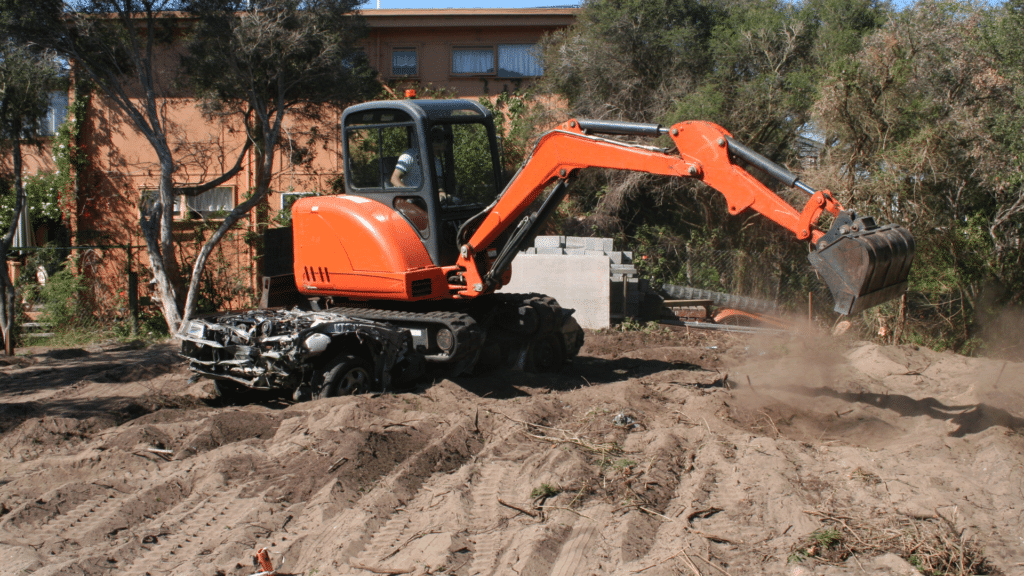
Land Clearing Before Excavation: How Proper Site Preparation Prevents Project Problems
A piece of land can look ready for construction long before it is actually ready for excavation.
An overgrown lot may seem to need only a few trees removed before an excavator can arrive. In reality, vegetation, roots, stumps, uneven ground, debris, and hidden site conditions can all affect how safely and efficiently excavation work proceeds.
Think of excavation as the stage where the property begins taking its intended shape. Before that can happen, the ground needs a clear working area. Equipment needs room to move, operators need visibility, and hazards need to be identified rather than discovered halfway through the project.
That is why land clearing shouldn’t be treated as a separate chore that happens before the “real” construction work. It is an important part of site preparation that can influence excavation, grading, drainage, foundation work, landscaping, and overall project coordination.
For property owners planning construction or redevelopment in Victoria, understanding the relationship between clearing and excavation can help prevent unnecessary disruption and create a more practical starting point for the work ahead.
Table of Contents
ToggleWhat Is Land Clearing and Why Does It Come Before Excavation?
Land clearing involves preparing a property by removing vegetation, unwanted growth, stumps, debris, and other obstacles that interfere with the site’s intended use.
The extent of clearing depends on the project. A residential build may require selective removal around a proposed foundation, while a larger development may require broader preparation.
The key point is that clearing should follow the excavation and construction plan, not be done without a clear purpose.
Proper preparation can help create:
- Clear equipment routes
- Defined working areas
- Better visibility around the site
- Fewer obstacles during excavation
- A more organized transition into grading and construction
For projects requiring land clearing in Victoria, this planning becomes particularly important when properties contain established vegetation, uneven terrain, or restricted access.
How Does Vegetation Affect Excavation Work?
Vegetation can create practical challenges for excavation equipment.
Trees, shrubs, brush, fallen branches, and dense undergrowth can reduce visibility and limit where machinery can operate safely. In some cases, vegetation may also conceal changes in elevation, rocks, drainage features, or other site conditions.
Clearing the appropriate areas first gives operators a better understanding of the terrain.
It can also make it easier to establish the excavation footprint and equipment access routes. Instead of navigating around obstacles unnecessarily, the crew can focus on the areas where actual excavation needs to occur.
However, clearing does not necessarily mean removing everything from the property. A well-planned project distinguishes between vegetation that needs to go and features that should remain.
Why Should Stumps and Root Systems Be Addressed Before Excavation?
Removing a tree is only one part of preparing the ground. The remaining stump and root system can still interfere with excavation.
Large roots may extend beyond the tree’s visible area. At the same time, buried stumps can obstruct equipment or affect the location of future foundations, trenches, drainage systems, or other underground work.
The appropriate treatment depends on the project.
In some areas, complete removal may be necessary. In others, preserving a tree and its root zone may be more appropriate. The decision should be based on the proposed excavation and the features that need to remain.
This is particularly relevant on established residential properties, where mature trees may contribute significantly to the character of the landscape.
How Does Land Clearing Improve Equipment Access and Site Safety?
Excavators, loaders, trucks, and other equipment need suitable routes to enter and operate within a property.
A cluttered or overgrown site can make equipment movement more difficult. Clearing can establish defined access points and working areas before excavation begins.
Safety is also a key consideration. In British Columbia, excavation requirements address hazards such as nearby trees, utility poles, rocks, and underground utility services. Before crews begin powered excavation, they must accurately locate underground utilities and control hazards.
This demonstrates why clearing and excavation planning need to work together. Removing obvious obstacles helps, but it should be part of a wider site assessment rather than the only preparation required.
Why Is Utility Identification Important Before Clearing and Excavating?
A property can contain infrastructure that is not visible from the surface. Water lines, electrical services, drainage systems, gas lines, communication services, and other utilities may cross areas where you plan to clear or excavate.
A professional approach identifies these potential conflicts before machinery begins disturbing the ground.
This matters because excavation can change from a straightforward task to a complicated one if an unknown underground service is encountered.
Before excavation or drilling with powered equipment, B.C. safety requirements require accurate location of underground utility services and control of hazards to workers.
For property owners, this is another reason to work with a land clearing contractor who considers what lies beneath the property as well as what is visible above it.
How Does Proper Clearing Protect Trees and the Surrounding Property?
One misconception about land clearing is that the best approach is simply to remove everything that could get in the way.
That is not always appropriate.
A thoughtful landscape clearing plan identifies which trees and landscape features should remain and sets the working limits around them. This is especially important when excavation will occur close to established vegetation.
B.C. construction specifications also recognize the need to protect designated vegetation, including controlling equipment movement and protecting root zones where required.
On residential properties, protecting existing trees can also reduce the amount of restoration required after construction.
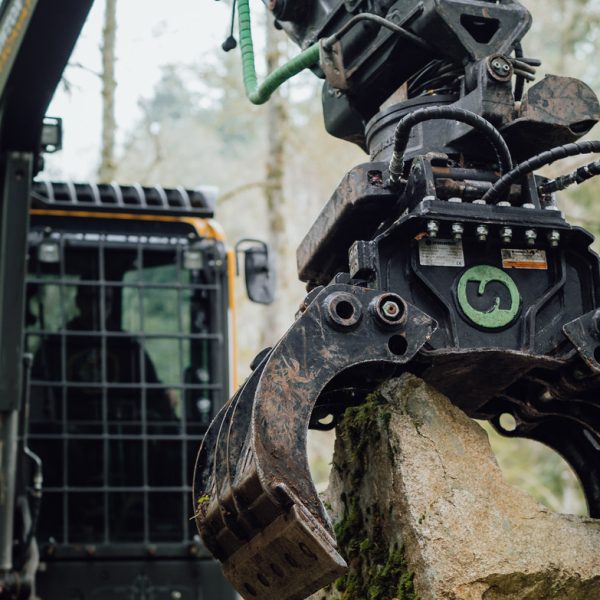
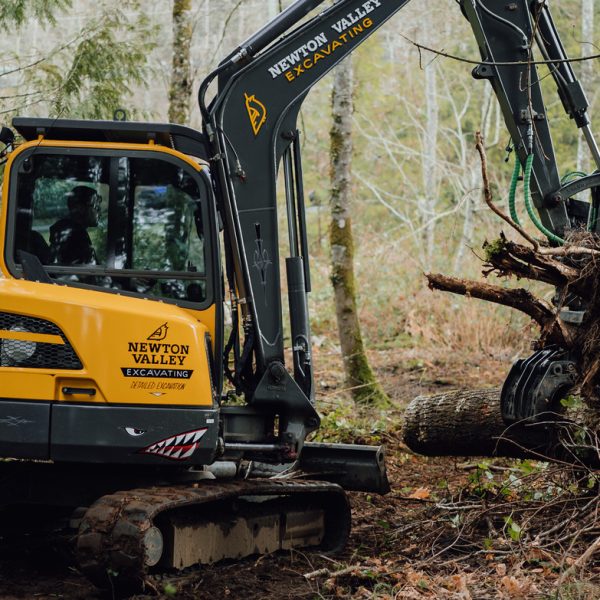
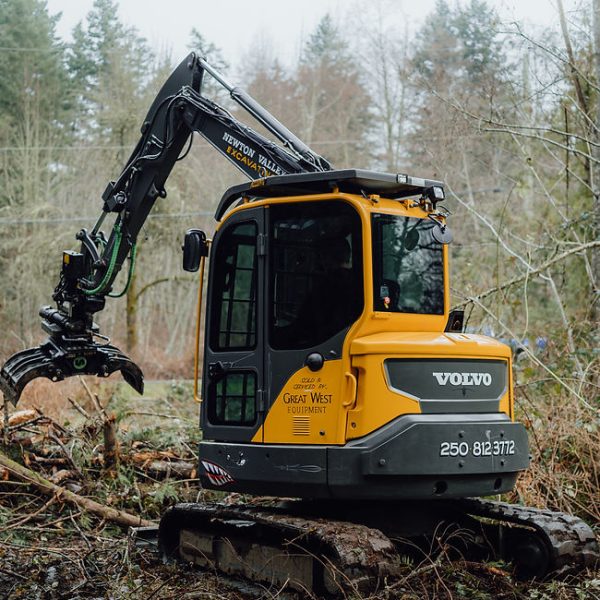
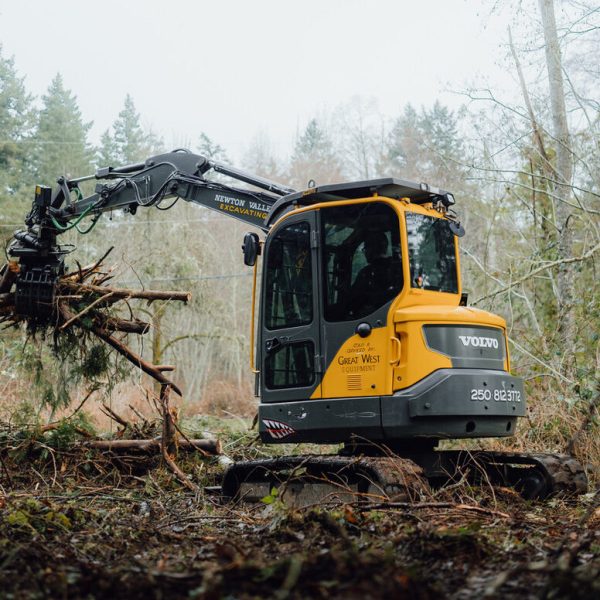
This is where equipment selection matters. Compact machinery and specialized attachments provide greater control in confined or sensitive areas.
The objective is simple: clear what needs to be cleared without unnecessarily disturbing what does not.
What Happens to Cleared Vegetation and Site Debris?
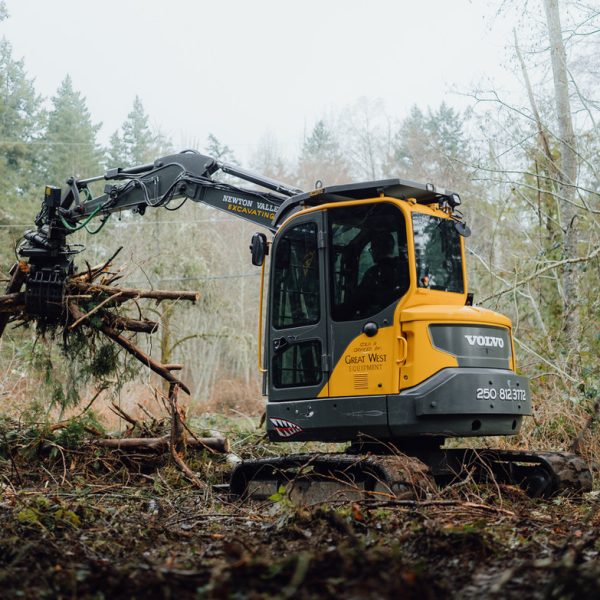
Clearing produces more than an open site. It also creates vegetation, branches, stumps, soil, and other material that needs to be managed.
The disposal or processing method depends on the material type, project requirements, and applicable local considerations.
A well-organized project plans material handling before clearing begins.
This can involve:
- Separating materials: Different types of vegetation and debris may need different handling.
- Managing stockpiles: Place materials where they will not interfere with equipment access or future excavation.
- Arranging removal: Where material cannot remain on-site, coordinate transportation and disposal as part of the project.
- Preparing the work area: Once unwanted material is removed, the site can be positioned for the next phase.
This prevents the cleared area from becoming another obstacle for excavation crews.
How Does Land Clearing Prepare a Site for Grading and Excavation?
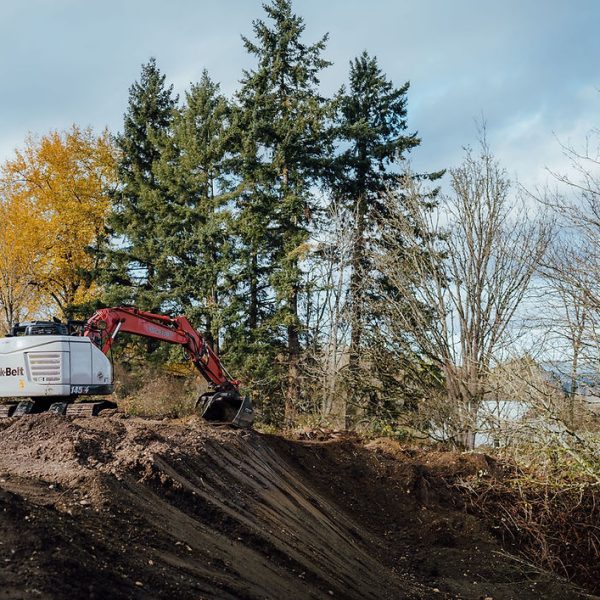
Once vegetation and major obstacles are removed, the property becomes easier to evaluate from a construction perspective.
The excavation team can assess the exposed terrain and determine how the site needs to be shaped for the proposed project.
Depending on the scope, the next stages may involve:
- Grading and levelling
- Foundation excavation
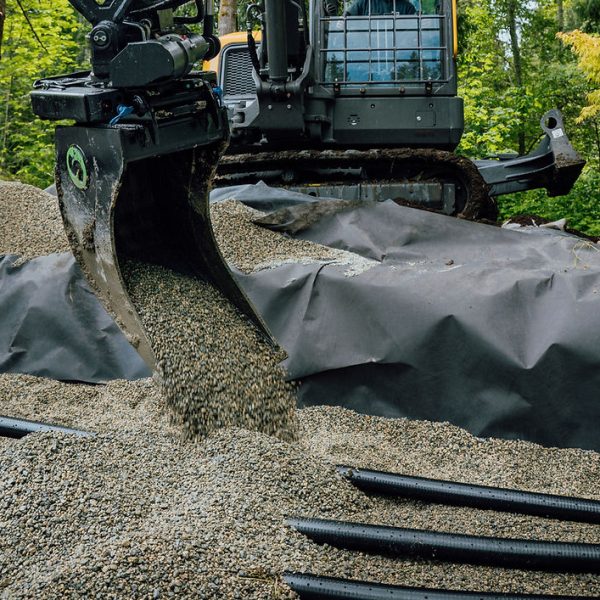
- Drainage installation
- Utility trenching
- Site servicing
- Retaining wall preparation
- Landscape construction
This is why land clearing services in Victoria can be an important first step in a larger site-development process.
The objective is not simply to make the property look empty. It is to create workable conditions for the excavation and construction activities that follow.
What Should You Look for When Hiring Land Clearing Contractors?
The contractor you choose can influence how smoothly the transition from clearing to excavation takes place.
Rather than comparing providers based only on the clearing itself, consider their overall approach to site preparation.
- Look for Site Assessment
A contractor should understand the terrain, vegetation, access, utilities, and project objectives before recommending a clearing method. - Ask About Equipment
The right equipment can make a significant difference on properties with narrow access or sensitive areas. - Discuss Tree Preservation
If certain trees must remain, explain this before work begins and ask how the contractor plans to protect them. - Clarify Debris Management
Ask how the contractor will handle vegetation, stumps, and other cleared material once removed. - Consider Broader Capabilities
A contractor experienced in excavation, grading, drainage, and site preparation can help create continuity between clearing and the work that follows.
When comparing land clearing companies in Victoria, this broader perspective can help you identify a team that understands the full site-development process, not just one stage.
How Newton Valley Excavating Approaches Land Clearing Before Excavation
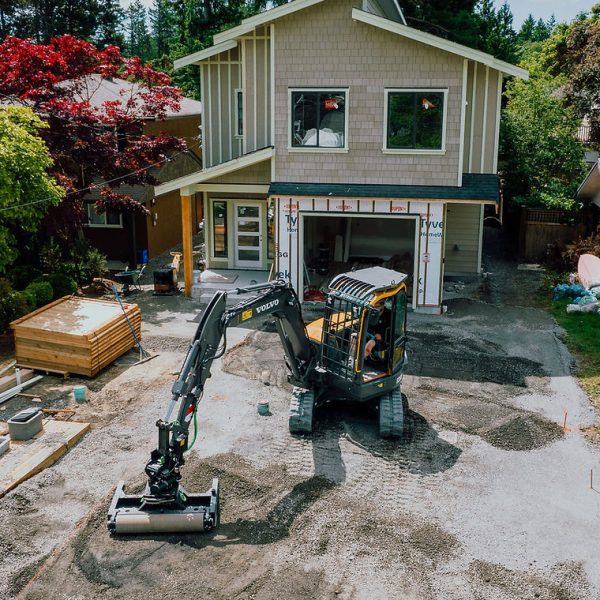
At Newton Valley Excavating, we treat land clearing as part of the broader preparation process, not an isolated task. Our approach helps homeowners, builders, and contractors move from an existing property to a workable construction site.
Our process focuses on several key areas:
- Assessing the Property First
We evaluate the site’s terrain, soil, vegetation, access, and project requirements before determining the appropriate clearing approach. This helps us build a plan around the property’s actual conditions.
- Coordinating Permits and Approvals
Land clearing requirements can vary by property and proposed work. Our team can assist with the permitting and approval process as part of project planning.
- Using Specialized Equipment
Our equipment fleet and attachment solutions let us approach clearing projects in tight, sensitive spaces. This helps us work around existing property features while preserving trees and root structures whenever possible.
- Combining Clearing With Excavation Expertise
Because land clearing is closely connected with excavation, grading, and site preparation, our team can approach the property with the next stage of construction in mind.
- Managing Cleanup
Once clearing is complete, we remove debris and prepare the property for its next phase, helping create a smoother transition into excavation or construction.
- Working Around the Project’s Real Requirements
Our experienced team and fully equipped operation let us adapt to projects of different sizes and complexities. We focus on clear communication, organized execution, and keeping the work aligned with the property’s intended use.
This integrated approach is particularly useful when clearing is only the beginning of a larger excavation or development project.
The Bottom Line
Excavation starts with the ground, but successful excavation starts with preparation.
Proper land clearing creates space for equipment, improves visibility, exposes key site conditions, and helps establish a safer, more organized work environment. At the same time, thoughtful clearing avoids unnecessary disturbance to trees, root systems, landscaping, and other features that property owners want to preserve.
The goal should never be to clear as much land as possible. It should be to clear the right areas, in the right way, for what the property needs next.
If you’re preparing a residential, commercial, or development property for excavation, Newton Valley Excavating can help you plan the transition from clearing to construction.
Contact us today for a free quote and let our experienced team prepare your site for the next stage with precision and purpose.
FAQs
In many projects, clearing is necessary when vegetation, stumps, debris, or other obstacles interfere with equipment access or the planned excavation area. The exact scope depends on the property and project.
Land clearing focuses on removing vegetation, stumps, debris, and other surface obstacles. Excavation involves removing or moving soil and other material to create the required ground shape, depth, or trenches.
Yes. A well-planned project can identify trees to keep and set appropriate working limits around them. Specialized equipment can also help when clearing near sensitive areas.
Manage vegetation and debris according to their type and the project’s requirements. Material may be removed, processed, or otherwise handled through an appropriate disposal or recovery route.
Yes. Using one team for connected site-preparation stages can simplify planning and coordination. It also allows the clearing approach to account for the excavation and construction work that follows.