How Retaining Wall Contractors in Saanich Ensure Proper Drainage and Soil Stability
A leaning retaining wall is rarely a sudden problem. It’s usually the result of months, sometimes years, of water quietly working against the structure until one day a homeowner notices a crack, a bulge, or a section that’s shifted out of line. If you’ve ever watched a heavy Pacific rainstorm pool against your yard’s slope and wondered what that water is doing behind your wall, you’re asking the right question.
On the Saanich Peninsula, where clay-heavy soil meets wet winters and rocky terrain, drainage isn’t an afterthought for retaining walls. It’s the difference between a wall that lasts thirty years and one that needs rebuilding in five. Below, we’ll walk through exactly how experienced retaining wall contractors in Saanich handle drainage and soil stability, so you know what to look for whether you’re planning a new build or troubleshooting an existing wall.
Table of Contents
ToggleWhy Drainage Matters Behind a Retaining Wall
Soil holds water like a sponge. When rain falls on a slope, that water has to go somewhere, and if there’s a retaining wall in its path, it builds up behind it unless given another route. This buildup creates hydrostatic pressure, a sideways force pushing directly against the back of the wall.
A wall built to hold back soil was never designed to hold back water, too. So why is drainage behind a retaining wall important? Without a clear path for water to escape, the pressure keeps rising every time it rains, and that pressure has to go somewhere. Usually, it goes straight through the wall.
What Happens If a Retaining Wall Doesn't Have Proper Drainage?
Skipping drainage planning shows up in predictable ways over time:
- Bulging or leaning walls as saturated soil pushes outward
- Cracks in concrete, block, or mortar joints
- Pooling water at the base of the wall or in the yard above it
- Soil washing out from beneath the footing, undermining the foundation
- Efflorescence — that white, chalky residue caused by water moving through masonry
None of these issues fix themselves. They get worse with every wet season, which in this region, is most of the year.
How Contractors Stop Water From Building Up Behind Retaining Walls
This is where experience really shows. A wall that looks identical from the front can perform completely differently depending on what’s happening behind it. Professional retaining wall builders, property owners typically rely on combining several drainage strategies rather than depending on just one:
- Weep holes – Small gaps built into the wall face that let trapped water escape before pressure builds
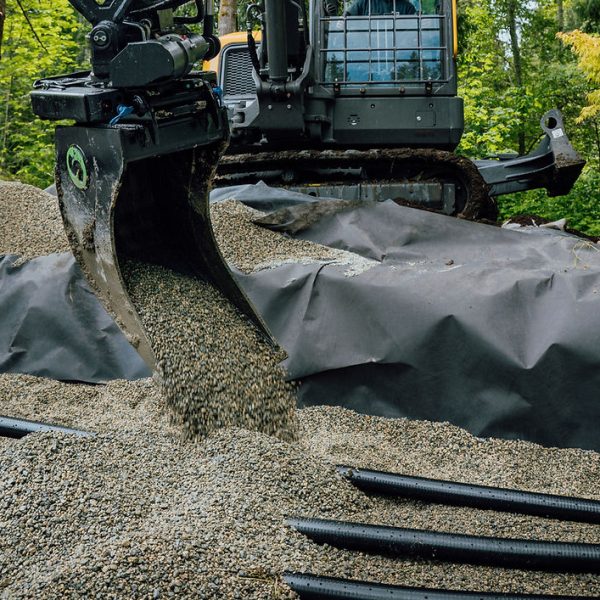
- Perforated drain pipe – Installed along the base of the wall to collect and redirect water away from the structure
- Free-draining gravel backfill – Placed directly behind the wall so water moves down and out instead of soaking into the soil
- Geotextile fabric – Wrapped around gravel and pipe to stop fine soil particles from clogging the drainage system over time
- French drains – Used on larger or sloped properties to intercept groundwater before it ever reaches the wall
The right combination depends on the wall’s height, the slope above it, and the property’s natural drainage. A two-foot garden wall doesn’t need the same system as a six-foot wall holding back a steep backyard slope.
What Type of Gravel Is Used Behind Retaining Walls?
Most contractors use clear crushed gravel, often called drain rock, typically in the ¾-inch to 1.5-inch range. The key feature is the absence of fines (sand or dust), which allows water to flow freely through the gravel rather than becoming trapped. Round river rock isn’t ideal here because it compacts differently and doesn’t interlock as well as crushed gravel, which matters for both drainage and structural support.
How Soil Stability Ties Into the Whole System
Drainage and soil stability aren’t separate problems; they’re two sides of the same equation. A wall holds back soil, but soil behaves predictably only when its moisture content remains consistent. Saturated soil is heavier, less stable, and far more likely to slump or shift.
This is why retaining wall contractors pay close attention to:
- Compaction of the backfill material in layers, not all at once
- Proper footing depth, so the base sits below the frost line and on stable, undisturbed ground
- Reinforcement such as a geogrid for taller walls, which ties the wall back into the soil mass behind it
- Setback and batter, meaning the wall leans slightly back into the hill rather than standing perfectly vertical
Do retaining walls help prevent soil erosion? Yes, that’s actually one of their primary jobs alongside holding back the slope itself. But a wall can only prevent erosion if the soil behind it isn’t constantly being saturated and destabilized by trapped water.
Can Poor Drainage Cause a Retaining Wall to Lean or Crack?
Absolutely, and it’s one of the most common reasons walls fail before their time. When water has nowhere to go, hydrostatic pressure pushes against the wall constantly, not just during storms but for days afterward as soil slowly releases moisture. Over repeated wet-dry cycles, this pressure causes:
- Gradual leaning, especially noticeable at the top of the wall
- Horizontal cracking along mortar joints or concrete panels
- Bowing in the middle sections where pressure concentrates
If you’re already seeing these signs, it’s worth getting it looked at before the damage spreads further.
How Do I Know If My Retaining Wall Has Drainage Problems?
Keep an eye out for a few telltale signs:
- Water pools at the base after rain instead of draining away
- Visible cracks or shifting blocks
- Soggy patches in the lawn or garden bed directly behind the wall
- A leaning or bulging section that wasn’t there before
- Stains or efflorescence on the wall face
When caught early, most drainage issues are straightforward to fix. Left alone, they tend to escalate into full wall failures.
Do Retaining Walls in Saanich Need Permits?
In many cases, yes. The District of Saanich typically requires permits for retaining walls over a certain height, especially when the wall is near a property line or supports a structure above it, such as a driveway or deck. Requirements vary by lot and project, so it’s worth checking with the municipality or having your contractor confirm before work begins.
What Is the Best Retaining Wall for a Sloped Yard?
For most residential slopes in this region, segmental block walls or natural stone walls with proper drainage and geogrid reinforcement tend to perform best. The right choice ultimately depends on your slope’s grade, soil type, and the amount of weight the wall needs to support, which is best assessed on site rather than guessing from general advice.
Should I Hire a Contractor for Retaining Wall Drainage Issues?
If you’re noticing leaning, cracking, or pooling water, this isn’t a DIY weekend fix. Diagnosing whether the problem is drainage, soil movement, or footing failure takes experience, and getting it wrong can mean redoing the work twice. A search for retaining wall repair or retaining wall companies is a reasonable first step. Still, it pays to choose someone who actually assesses the drainage system, not just the visible damage.
Final Thoughts
A retaining wall is only as strong as what’s happening behind it. The materials matter, but the drainage system is what determines whether your wall stands solid for decades or starts shifting within a few wet seasons. If you’ve noticed pooling water, a crack that wasn’t there last year, or a wall that’s leaning even slightly, it’s worth getting ahead of the problem now rather than waiting for it to grow.
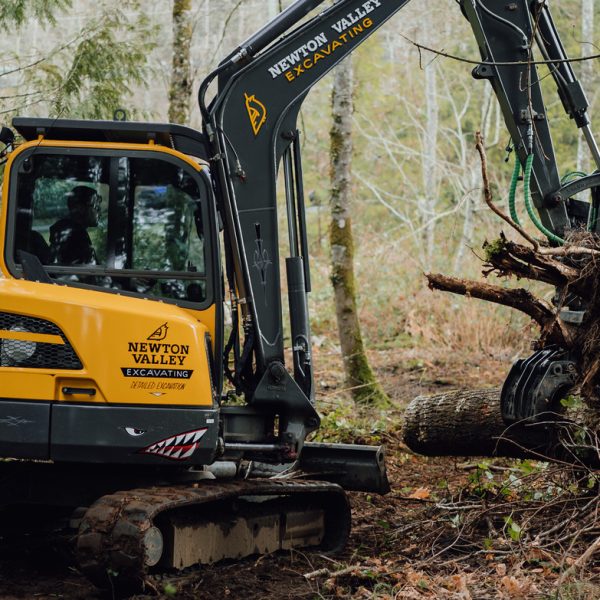
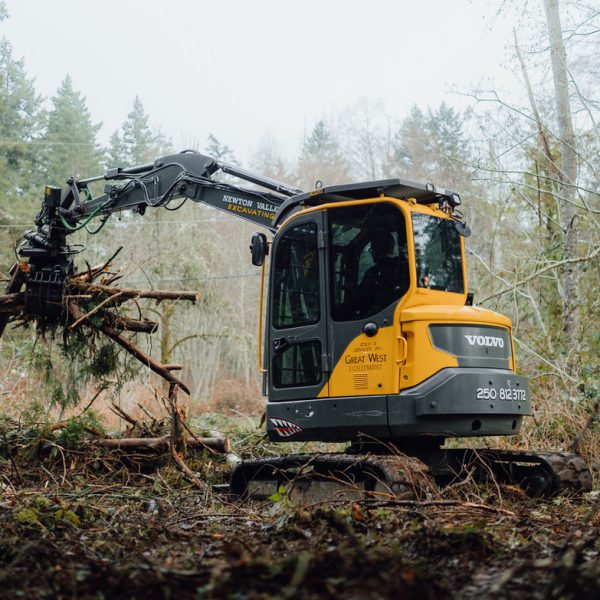
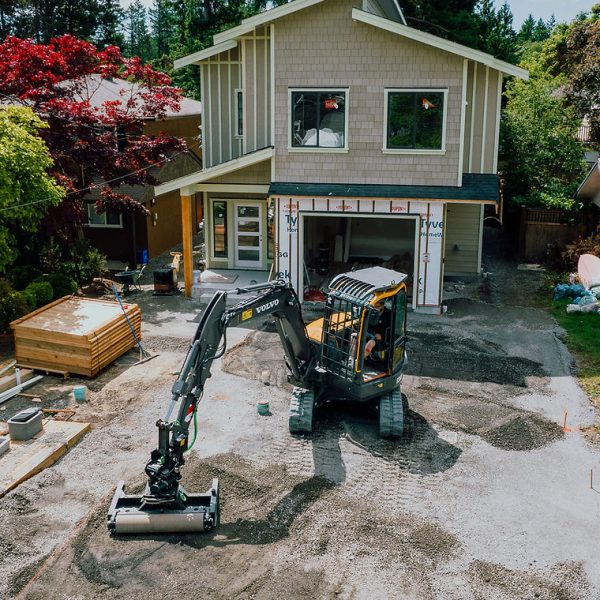
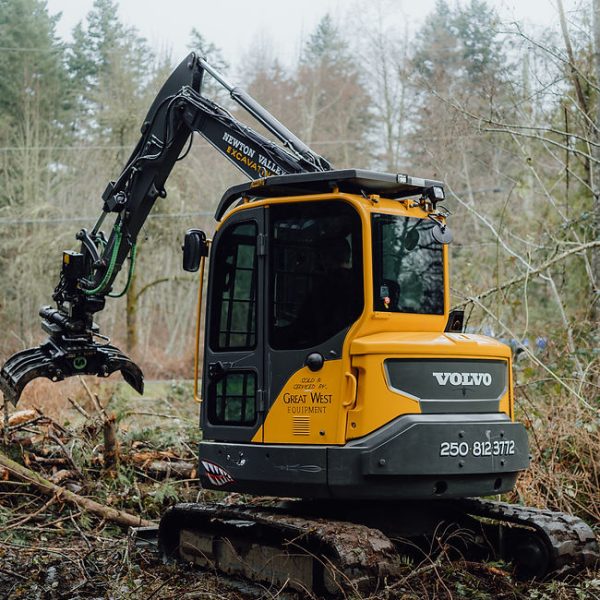
Newton Valley Excavating has worked on retaining walls and drainage systems across the Saanich Peninsula, Langford, Westshore, Colwood, Saanich, and Victoria, and we know how local soil and weather conditions affect what actually holds up long-term.
If your wall is showing signs of trouble, or you’re planning a new build and want it done right from the footing up, reach out to our team for an on-site assessment. We’ll take a look, explain what we’re seeing in plain terms, and help you figure out the best path forward.
FAQs
With correct drainage and soil compaction, most retaining walls last 25 to 50 years, depending on the materials used.
Sometimes, yes, particularly with surface drainage improvements or adding weep holes, but severe cases often require partial rebuilding.
Definitely. Clay-heavy soil, common across parts of Saanich, drains slowly and usually needs more robust drainage planning than sandy or loamy soil.
A little seepage through weep holes is normal and actually a sign that the drainage system is working as intended.
Yes. Removing debris and overgrowth can restore proper water flow and reduce erosion risks on sloped or heavily vegetated properties.
Costs vary widely based on wall height, length, and the extent of the damage, so an on-site assessment is the only reliable way to get an accurate number.
If water is being redirected toward your house instead of away from it, yes, it can contribute to foundation moisture issues over time.