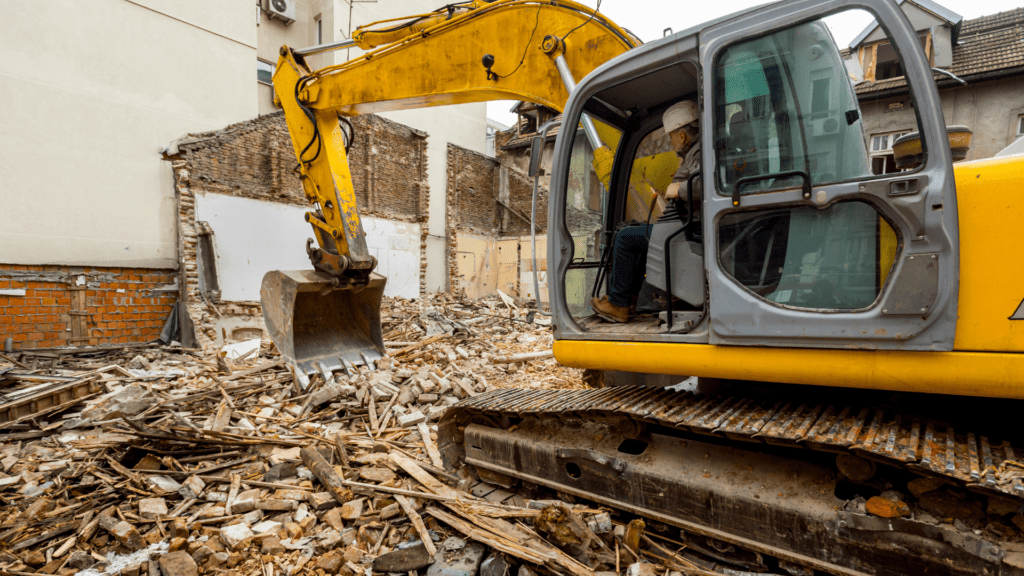
How Long Does a House Demolition Take? A Step-by-Step Timeline Explained
Demolishing a house can look deceptively simple from the outside. A structure comes down, debris is removed, and the property is left ready for what comes next. In practice, the physical demolition is only one part of the timeline. Before machinery arrives, homeowners may need to obtain permits, complete hazardous-material assessments, coordinate with utilities, prepare the site, and address other requirements that determine when work can safely begin.
For properties around Brentwood Bay and the Saanich Peninsula, the timeline can also be influenced by site access, neighbouring structures, existing trees, terrain, and the intended use of the property after demolition. This means there is no universal number of days that applies to every house.
So, how long does a house demolition take? The actual removal of a typical residential structure may take only a few days, but the overall process, from initial planning to a cleared site, can take considerably longer.
Understanding each stage helps homeowners plan their next move, coordinate builders, and avoid treating demolition as a single-day task.
Table of Contents
ToggleWhat Determines How Long a House Demolition Takes?
There is no universal demolition schedule because every property presents different conditions. A modest, accessible structure can have a very different timeline from a larger home surrounded by landscaping, neighbouring buildings, retaining walls, or restricted access.
The condition and construction of the house are important starting points. A structure with straightforward materials and an uncomplicated layout may be easier to dismantle than one containing multiple additions or difficult-to-access areas.
The property itself also matters. Tight access can affect how equipment reaches the building and where debris can be staged or loaded. Existing trees, slopes, underground services, and nearby structures may require additional planning to protect the surrounding site.
The final destination of the demolition debris also forms part of the schedule. Materials may need to be separated, loaded, transported, and handled in accordance with the receiving facilities’ requirements.
For homeowners, the most useful approach is therefore to think of demolition as a sequence of stages rather than a single day of machine work.
What Are the Stages of Demolition?
Understanding the stages makes the overall timeline much easier to follow. Although the exact sequence can vary between projects, a residential demolition typically proceeds through several interconnected phases.
- Initial Assessment and Planning
The contractor reviews the property, structure, access, surrounding conditions, and intended scope of work.
- Permits and Required Preparations
Any applicable approvals, utility disconnections, assessments, and other pre-demolition requirements need to be addressed before structural demolition begins.
- Site Preparation
The work area is secured, and equipment access, debris handling, and protection of surrounding property are planned.
- Structural Demolition
The building is dismantled using controlled methods suited to the structure and site.
- Debris Handling and Removal
Materials are sorted, loaded, transported, and managed appropriately.
- Final Site Cleanup
Once the structure and debris are removed, the property can be assessed for the next stage of construction or site development.
This sequence explains why the time between hiring a contractor and having a clean, usable site can be considerably longer than the visible demolition itself.
Understanding the stages makes the overall timeline much easier to follow. Although the exact sequence can vary between projects, a residential demolition typically proceeds through several interconnected phases.
- Initial Assessment and Planning
The contractor reviews the property, structure, access, surrounding conditions, and intended scope of work.
- Permits and Required Preparations
Any applicable approvals, utility disconnections, assessments, and other pre-demolition requirements need to be addressed before structural demolition begins.
- Site Preparation
The work area is secured, and equipment access, debris handling, and protection of surrounding property are planned.
- Structural Demolition
The building is dismantled using controlled methods suited to the structure and site.
- Debris Handling and Removal
Materials are sorted, loaded, transported, and managed appropriately.
- Final Site Cleanup
Once the structure and debris are removed, the property can be assessed for the next stage of construction or site development.
This sequence explains why the time between hiring a contractor and having a clean, usable site can be considerably longer than the visible demolition itself.
How Long Does the Pre-Demolition Planning Stage Take?
Planning is one of the most important parts of the project because it establishes how the demolition will actually be carried out.
During this stage, a contractor evaluates the structure, access points, surrounding property, equipment requirements, and potential hazards. The contractor may also need to coordinate with other professionals involved in the project.
A good demolition plan should account for how the structure will be approached, where machinery will operate, how materials will be removed from the property, and how surrounding areas will be protected.
This is particularly important in established neighbourhoods around Brentwood Bay and the Saanich Peninsula, where homes may have limited access and mature landscaping close to the structure.
Rather than rushing into demolition, the crew benefits from careful preparation, which gives them a clear sequence to follow once work begins.
Why Do Permits and Utility Disconnections Affect the Timeline?
Demolition cannot always begin immediately after a contractor is hired. Depending on the property and jurisdiction, approvals and other preliminary requirements may need to be completed first.
Utilities are another important consideration. Water, electricity, gas, sewer, and other services connected to the building may need to be addressed before demolition proceeds.
These requirements are not simply administrative details. They help establish safe working conditions and prevent avoidable interruptions once the equipment arrives.
The exact requirements may vary depending on the property’s location and the nature of the demolition. Homeowners should therefore discuss approvals and utility coordination with their contractor early rather than assuming everything can be arranged immediately before demolition.
How Do Hazardous Materials Affect a Demolition Schedule?
Older buildings may contain materials that require assessment and specialized handling before conventional demolition can proceed.
The presence of asbestos-containing materials can change the sequence of work. Instead of proceeding directly to structural demolition, the appropriate assessment and removal process should be undertaken first.
This is one reason homeowners should avoid treating the demolition date as the only important milestone. If a building requires additional preparation, the overall project timeline can change before the machinery even arrives.
A responsible house demolition contractor will consider these factors during planning and explain which steps must be taken before the structure can be safely brought down.
How Long Does the Actual House Demolition Take?
The physical demolition is often the part homeowners picture when they think about the project. Once all required preparation is complete, specialized equipment can begin dismantling the structure in a controlled sequence.
The actual duration depends on the home’s size, construction, accessibility, equipment requirements, and the handling of materials.
A straightforward structure with good access to equipment may progress efficiently. A property with restricted access or nearby features requiring protection may require a more deliberate approach.
The objective should not be to bring the structure down as quickly as possible. Controlled demolition reduces unnecessary damage to surrounding property and creates a safer, more manageable work environment.
Experienced home demolition contractors assess the building and site before determining the most appropriate demolition method.
Why Does Site Access Influence Demolition Time?
Equipment needs room to operate. When that room is limited, the contractor has to adjust the demolition strategy.
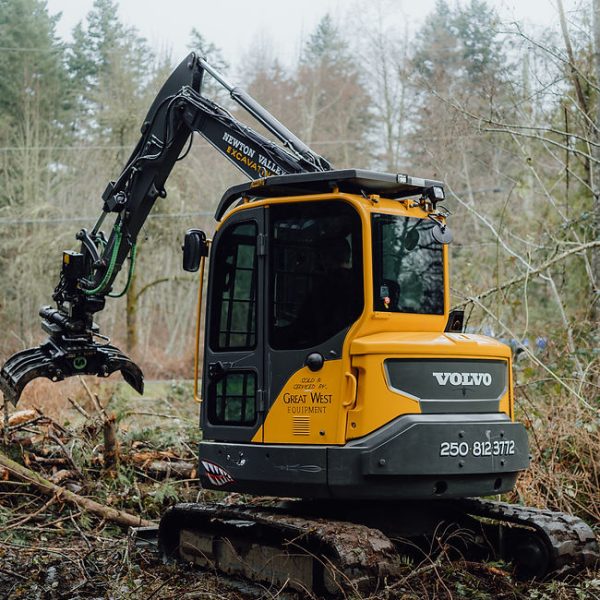
A property may have a narrow driveway, fencing, mature vegetation, nearby structures, sloping terrain, or other features that restrict machinery movement. In such situations, compact equipment and carefully planned access routes can make a substantial difference.
This is especially relevant when working with demolition contractors in Brentwood Bay, where residential properties can have varied layouts and access conditions.
Good site planning considers not only how machinery enters the property but also how demolition materials will be removed. Managing both sides of this equation helps prevent unnecessary congestion and interruptions.
Why Does Debris Removal Matter After Demolition?
The job is not necessarily finished when the building is down.
A demolished structure can produce a substantial volume of mixed material. Efficient handling requires planning for loading, transportation, sorting, and, where appropriate, disposal or recycling.
A contractor may need to separate materials or coordinate different disposal routes. These arrangements can influence how quickly the property is cleared.
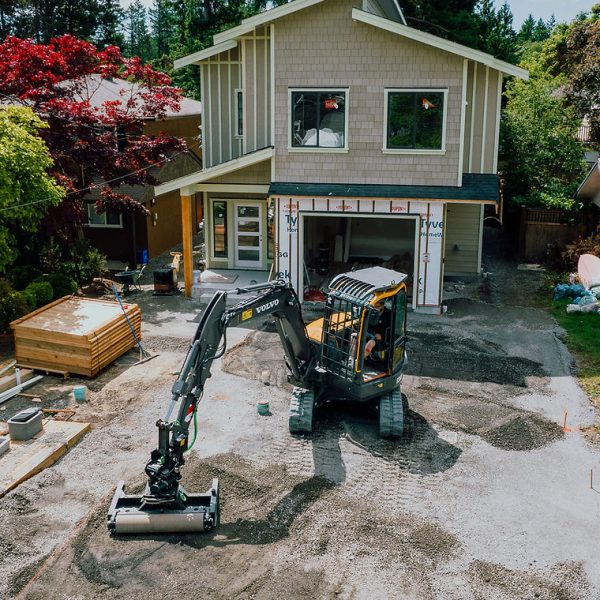
For homeowners planning to start construction immediately after demolition, this stage is particularly important. A site covered with remaining debris cannot easily transition into excavation or foundation work.
The best approach is to plan demolition and post-demolition site preparation as connected stages rather than treating cleanup as an afterthought.
Why Is Water Used During House Demolition?
If you’ve ever watched a demolition project, you may have noticed water being sprayed over the structure or debris. This is primarily a dust-control measure.
Demolition can disturb materials and produce airborne dust. Applying water helps suppress dust during certain demolition and debris-handling activities, improving visibility and reducing dust that spreads beyond the immediate work area.
Water use must still be managed carefully. Excessive water can create muddy conditions or affect material handling, so contractors need to balance dust suppression with overall site control.
This is one example of why professional demolition involves much more than operating machinery. Environmental conditions, neighbouring properties, worker safety, and site cleanliness all influence how the work is performed.
How to Keep Your Demolition Project on Schedule
Homeowners cannot control every variable, but good preparation can reduce avoidable delays.
- Start Planning Early
Begin discussions with your contractor before the desired demolition date. This gives sufficient time to identify site-specific requirements and coordinate the necessary preparation.
- Confirm What the Quote Includes
Ask whether the proposed scope covers demolition, debris removal, cleanup, and any associated site preparation. Clear expectations reduce confusion later.
- Discuss Access Before Work Begins
Provide the contractor with information about driveways, gates, landscaping, neighbouring properties, and other access considerations.
- Coordinate the Next Construction Phase
If a builder or excavation contractor is waiting for the demolition to finish, make sure everyone understands the expected sequence. This helps prevent unnecessary gaps between demolition and rebuilding.
- Choose a Contractor With Broader Site Capabilities
A contractor who understands demolition, excavation, and site preparation often makes the transition to the next phase more straightforward.
What to Expect When Working With Newton Valley Excavating
At Newton Valley Excavating, we approach demolition as part of the broader property transformation rather than treating the removal of structures as an isolated task. Our team works with homeowners, builders, and contractors to remove existing structures and prepare the property for what comes next.
Our approach focuses on several important areas:
- Comprehensive Planning
We assess the property and demolition requirements before work begins, helping establish a practical project sequence.
- Controlled Execution
Our fully equipped team uses appropriate machinery and careful site planning to carry out demolition efficiently while taking into account surrounding structures and property features.
- Permit and Project Coordination
Where applicable, we help coordinate the requirements that need to be addressed before demolition so the project can progress in an organized manner.
- Responsible Material Handling
We incorporate responsible debris management into the demolition process, helping to transition the property from an existing structure to a clean site.
- Support Beyond Demolition
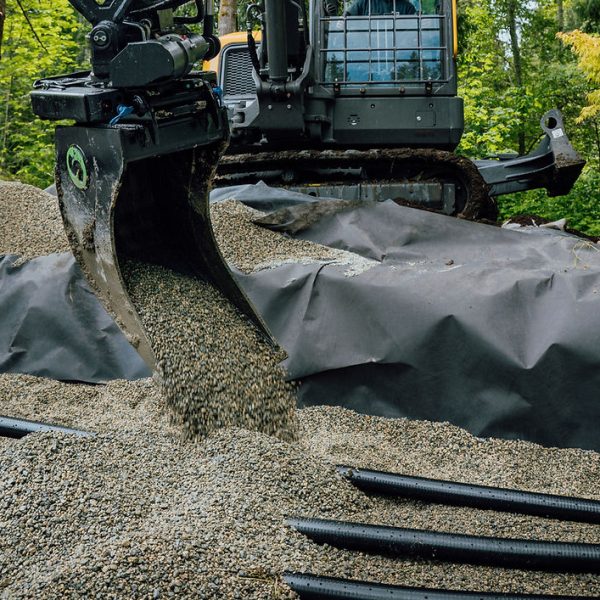
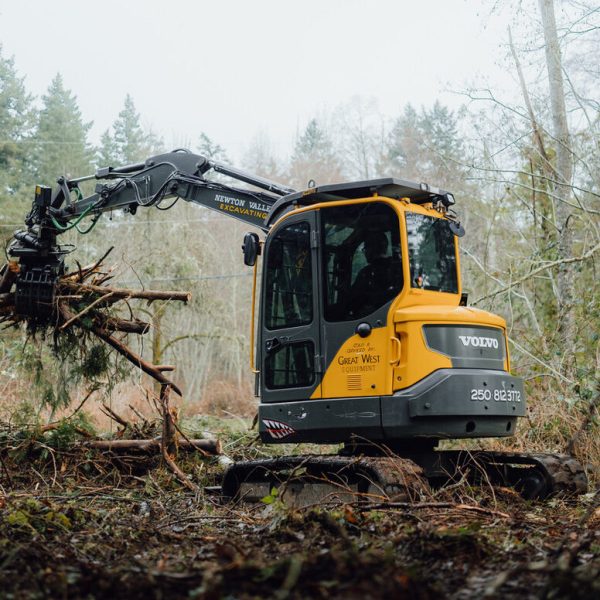
Because our work includes excavation, site servicing, land clearing, and related services, we can help streamline the transition from removing the old structure to preparing the site for its next use.
This integrated approach is particularly useful for homeowners and builders who want fewer moving parts during a major property project.
The Bottom Line
So, how long does a house demolition take? The answer depends on much more than how quickly a structure can be dismantled. Permits, utility coordination, site preparation, hazardous-material considerations, access, demolition methods, and debris removal can all influence the overall timeline.
The physical demolition may be only one stage of the process. Careful preparation before the equipment arrives and thorough cleanup after the structure comes down are equally important for keeping the project moving.
For homeowners in Brentwood Bay, Saanich, and surrounding areas, choosing an experienced demolition team can make the process more organized from planning through completion.
Planning to remove an existing home and start fresh? Contact Newton Valley Excavating for a free quote and discuss your demolition project with a team equipped to handle the work from the old structure to the next stage of your site.
FAQs
The timeline varies according to the home’s size, construction, site access, preparation requirements, and debris-handling arrangements. The physical demolition may be relatively brief, but the complete project timeline also includes preparation and cleanup.
Permit requirements depend on the property location and scope of work. Homeowners should confirm local requirements with the applicable authority and their demolition contractor before scheduling structural removal.
Water is commonly used to suppress dust generated during demolition and debris handling. It helps control airborne particles and maintain better conditions around the work area.
Yes. Some contractors provide both demolition and related excavation or site preparation services. Using one team for connected stages can simplify scheduling and communication between the removal and rebuilding phases.