Hardscape vs Softscape: How the Right Landscape Elements Shape Your Outdoor Space
A well-designed outdoor space is not created by choosing plants first or deciding where to place a patio at the end. It begins with understanding how a property’s different elements need to work together.
Consider a typical Victoria-area yard. A pathway needs to guide people naturally through the space. A retaining wall may need to hold back changing elevations. Planting areas need suitable soil and drainage, while patios, steps, and other constructed features need stable ground beneath them. Each element has a different purpose, but none exists entirely on its own.
This is where the distinction between hardscape and softscape becomes important.
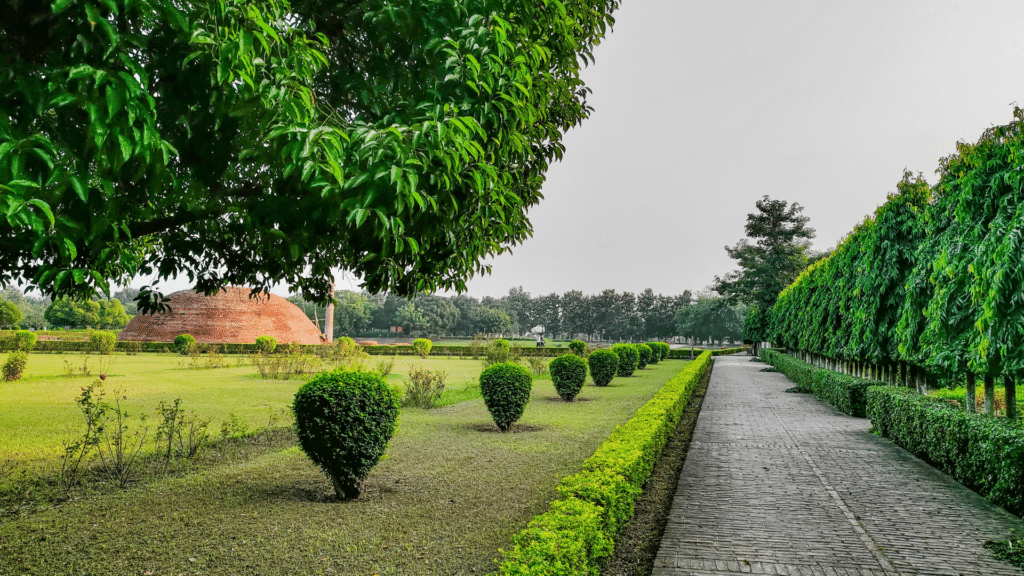
Hardscape refers to the built and structural features of a landscape, while softscape includes living and organic elements such as plants, lawns, trees, and garden beds. The strongest outdoor spaces use both deliberately, creating an environment that is functional, visually balanced, and suited to the property’s conditions.
Understanding the difference matters before beginning landscape design and construction because decisions about grading, drainage, access, materials, and planting areas can affect the project from the ground up.
Table of Contents
ToggleWhat Is the Difference Between Hardscape and Softscape?
The simplest distinction is that hardscape consists primarily of constructed or non-living landscape features, while softscape consists of living and organic components
Think of the two as the framework and the living layer of an outdoor space.
Hardscape may include:
- Patios
- Walkways
- Retaining walls
- Steps
- Driveways
- Outdoor structures
- Paved areas
- Decorative stone features
Softscape may include:
- Trees
- Shrubs
- Perennial plants
- Lawns
- Garden beds
- Ground covers
- Mulch
- Other planting areas
The distinction becomes more useful when planning how these elements interact.
A retaining wall, for example, can create a defined planting area above or below it. A pathway can separate lawn from garden beds. Drainage can determine where you should place both planted and constructed features.
Rather than treating hardscape and softscape as competing options, a successful landscape plan considers them as connected parts of one outdoor environment.
What Counts as Hardscape in Landscape Construction?
Hardscape provides much of the structure and usability of an outdoor space. It can define movement, create gathering areas, manage elevation changes, and provide durable surfaces for everyday use.
- Patios and Outdoor Living Areas
Patios create dedicated areas for seating, dining, entertaining, or simply enjoying the outdoors.
Their success depends on more than the surface material. Proper base preparation, grading, drainage, and edge detailing all contribute to long-term performance.
- Walkways and Steps
A pathway should move through the property and feel natural rather than forcing people around obstacles.
On sloped properties, steps can also connect different elevations and make the landscape easier to navigate.
- Retaining Walls
Retaining walls have both functional and visual roles. They can help manage changes in elevation while creating distinct areas for planting, pathways, or usable outdoor space.
Because retaining walls interact directly with soil and water, approach their construction as a structural component rather than a decorative feature.
- Driveways and Access Areas
Driveways are another important hardscape element. They must withstand regular vehicle use while directing water away from vulnerable areas.
This is where excavation and grading can become an important part of the wider landscape project.
What Elements Are Considered Softscape?
Softscape brings the living component into the landscape. It can soften hard surfaces, introduce colour and texture, provide shade, and make outdoor areas feel more connected to their natural surroundings.
- Trees and Shrubs
Trees can provide shade, screening, structure, and seasonal interest. Shrubs can define boundaries or create transitions between different areas of the yard.
However, planting decisions should account for mature size, root growth, soil conditions, drainage, and proximity to structures.
- Garden Beds
Garden beds let homeowners add layers of plants with different heights, textures, and seasonal characteristics.
Their location should also consider sunlight, water movement, access, and maintenance requirements.
- Lawns and Ground Covers
Lawns provide open areas for recreation and visual balance, while ground covers can be useful where traditional turf is impractical.
The right choice depends on how the space will actually be used, not just what looks appealing at the planning stage
Why Do Hardscape and Softscape Need to Work Together?
A landscape can have beautiful plants and attractive construction features yet still feel disconnected if you plan the two separately.
A better approach considers how each element affects the other.
For example, a paved area should not redirect runoff into a planting bed that cannot handle additional water. Similarly, do not plant a large tree so close to a retaining wall that future root growth creates avoidable maintenance concerns.
Good planning considers:
- Movement: Walkways should connect important areas without cutting awkwardly through planting zones.
- Drainage: Water needs to move safely through the property without undermining constructed features or saturating planting areas.
- Scale: Hardscape and planting should be proportionate to the property, not overwhelming one another.
- Maintenance: Planting choices should match the time and care the homeowner can realistically provide.
When you address these considerations together, the landscape becomes more cohesive and practical.
What Are the Four Elements of Landscape Design?
The four elements are often described as line, form, colour, and texture.
- Line: Lines guide the eye and influence how people move through an outdoor space. Straight lines can create a more structured look, while curved lines can create a softer transition.
- Form: Form refers to the shape and structure of plants, trees, structures, and other landscape features.
- Colour: Colour can establish mood, create focal points, and connect different parts of the landscape.
- Texture: Texture describes how surfaces and plants look and feel. Combining different textures can add depth without relying on excessive decoration.
These principles work alongside practical considerations such as drainage, grading, access, soil, and maintenance.
How Does Drainage Affect Hardscape and Softscape?
Drainage is one of the less visible elements of a landscape, but it can strongly influence how the finished space performs.
Water needs to move away from structures while still supporting healthy planting areas.
Poor drainage can contribute to:
- Water pooling around patios
- Erosion around planting beds
- Saturated lawns
- Soil movement
- Damage to hardscape foundations
- Excess moisture near structures
This is why landscape planning should begin below the visible surface.
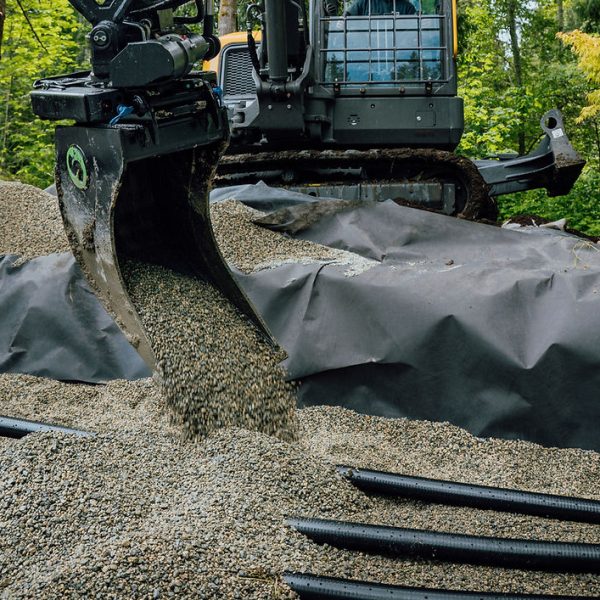
Grading and excavation establish the site’s underlying shape. Drainage systems may then direct water toward suitable discharge points.
A landscape that looks excellent immediately after installation may still develop problems if these foundational considerations were overlooked.
How Should You Choose Between Different Hardscape Materials?
Material selection should reflect how the space will be used, the surrounding architecture, local conditions, and how much maintenance the homeowner is prepared to do.
For example, a high-traffic walkway may require a different surface approach from a decorative garden path. A driveway has different performance requirements from a small patio.
Before choosing a material, consider:
- Purpose: Will the surface carry people, vehicles, outdoor furniture, or simply provide visual interest?
- Exposure: How will rain, moisture, shade, and seasonal conditions affect the area?
- Maintenance: Does the homeowner want a surface that requires regular cleaning or upkeep?
- Connection: Does the material complement the home’s exterior and the surrounding landscape?
A thoughtful choice considers the complete property rather than selecting materials in isolation.
What Should You Consider When Planning Softscape Areas?
Softscape planning should account for the plants’ future needs, not just their appearance when first installed.
- Sunlight: Observe how much direct and indirect light reaches the area throughout the day.
- Soil Conditions: Planting areas may require soil improvement or preparation before certain species can thrive.
- Water Requirements: Grouping plants with similar moisture needs can make irrigation and maintenance more manageable.
- Mature Growth: A plant that fits perfectly in a garden bed today may become a problem if you overlook its mature size.
- Seasonal Interest: Combining plants with different flowering periods, foliage characteristics, and growth patterns can help maintain year-round visual interest.
These considerations make softscape more than a decorative layer. Proper planting supports the long-term character and usability of the entire landscape.
When Should You Hire Landscape Contractors in Saanich?
Some landscape projects homeowners can complete gradually, but larger transformations often involve excavation, grading, retaining walls, drainage, access improvements, and construction.
In those situations, professional planning becomes particularly valuable.
A contractor can help coordinate the relationship between the property’s existing terrain and the proposed landscape features.
When comparing landscape contractors in Saanich, look for a team that understands the groundwork beneath the visible design.
Useful questions include:
- How will the existing grade affect the proposed landscape?
- What drainage improvements are required?
- How will existing trees and root zones be protected?
- Will excavation be required?
- How will materials and equipment access the property?
- Who will coordinate the different stages of construction?
A landscape project becomes much easier to manage when you consider excavation, grading, drainage, and construction together.
How Newton Valley Excavating Approaches Landscape Construction
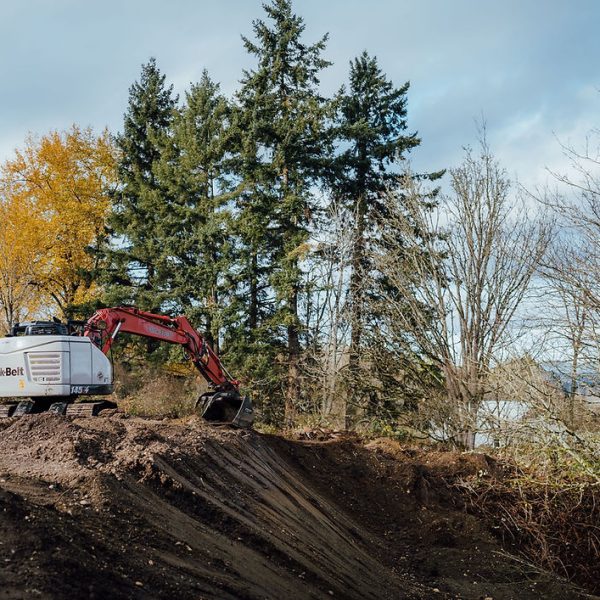
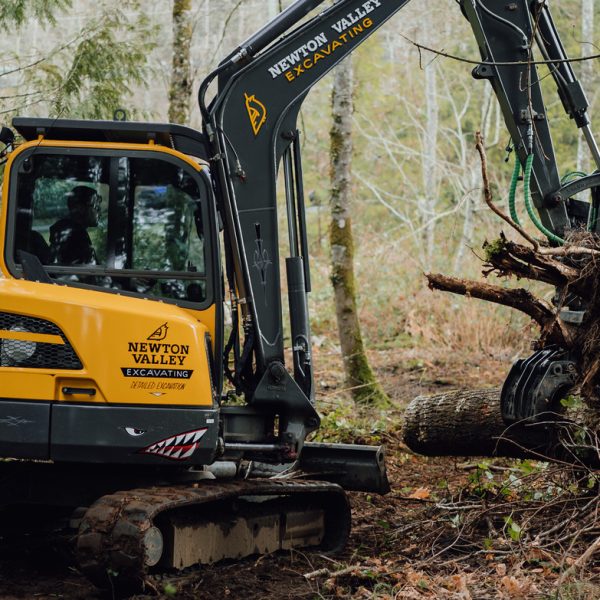
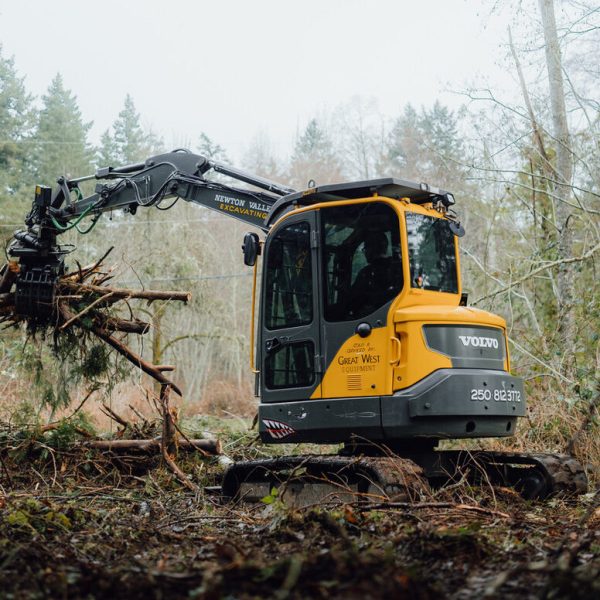
At Newton Valley Excavating, we understand that a successful landscape is built from the ground up. Our broader excavation capabilities allow us to approach outdoor projects with attention to site conditions, access, grading, drainage, and the practical requirements of construction.
Our approach includes:
- Start With the Site
We assess the terrain, soil, existing conditions, and project requirements before starting heavy work. This helps establish a practical foundation for the landscape plan.
- Prepare the Ground Properly
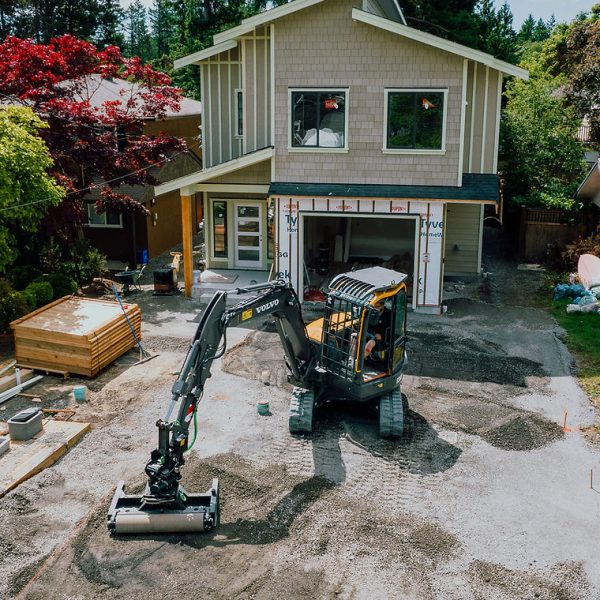
Whether the project requires grading, excavation, site preparation, or other groundwork, we focus on creating stable conditions for the features that follow.
- Coordinate Hardscape Requirements
When projects involve retaining walls, pathways, patios, access areas, or elevation changes, the underlying excavation and grading need to support those features properly.
- Consider the Living Landscape
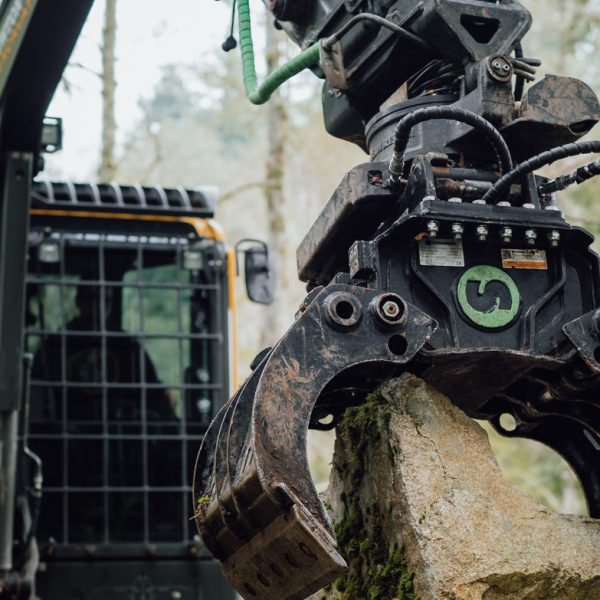
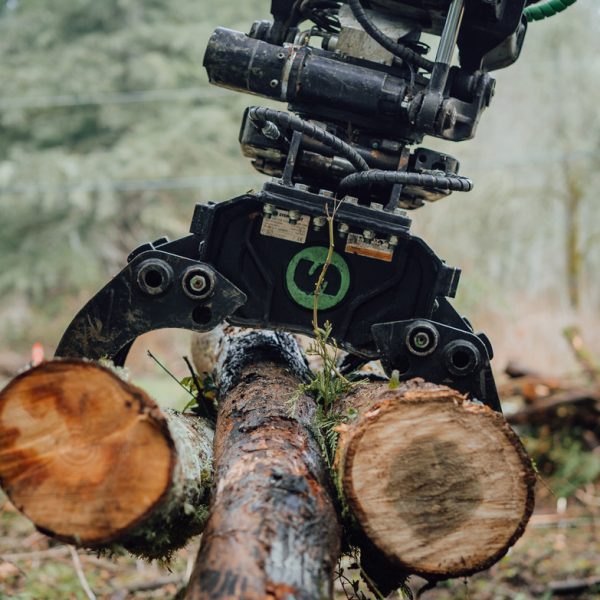
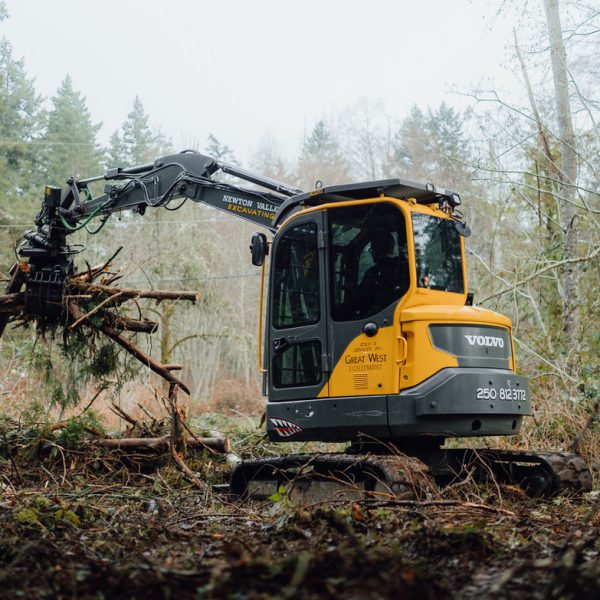
Existing trees and root structures can be important parts of a property. Our specialized equipment and attachment solutions allow us to work in tight or sensitive areas while protecting existing features whenever possible.
- Use the Right Equipment
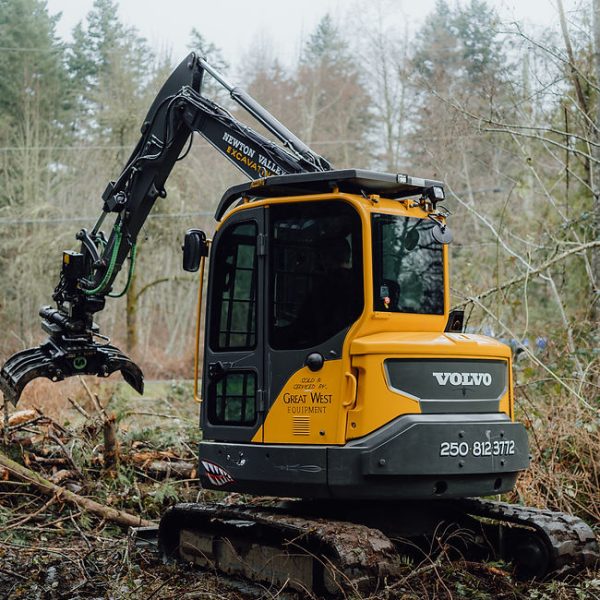
Our team uses specialized equipment selected according to the project and site conditions. The goal is to complete demanding groundwork efficiently while maintaining control over the property.
- Keep the Project Moving
Our team handles excavation and related site preparation with a focus on organized execution, communication, and keeping the next stage of the project ready to proceed.
For homeowners planning a landscape transformation, this integrated approach can make it easier to connect the work below ground with the finished outdoor environment above it.
If you’re also comparing hardscape contractors in Saanich, consider how the contractor will coordinate structural landscape elements with grading, drainage, and site preparation rather than treating each component as a separate task.
The Bottom Line
The difference between hardscape and softscape is straightforward, but creating a successful landscape requires both to work together.
Hardscape establishes structure. Softscape introduces living elements. Between them, however, are the less visible considerations that determine whether the landscape performs well over time—grading, drainage, soil preparation, access, material selection, and careful site planning.
The best outdoor spaces are therefore not simply collections of attractive features. They are carefully coordinated environments where pathways connect naturally, planting areas suit the property, constructed elements remain stable, and water has somewhere appropriate to go.
If you’re planning Landscape Design and Construction in the Saanich or Greater Victoria area, Newton Valley Excavating can help with the excavation, grading, site preparation, and groundwork that support a successful landscape project. Contact us today for a free quote, and let’s build the foundation for an outdoor space that works as beautifully as it looks.
FAQs
Hardscape includes constructed landscape features such as patios, walls, pathways, and driveways, while softscape includes plants, lawns, trees, and garden areas.
Neither is inherently more important. A successful landscape balances constructed features with planting, drainage, usability, and the property’s existing conditions.
Yes. Excavation may be needed for grading, drainage, retaining walls, patios, pathways, planting areas, and other landscape features requiring proper ground preparation.
Look for experience with site preparation, grading, drainage, hardscape construction, equipment access, and coordinating the different stages of a landscape project.
Professional help is particularly useful for projects involving significant grading, drainage, retaining walls, extensive hardscape, difficult access, or major changes to the property’s existing terrain.