From Concept to Completion: The Landscape Design and Construction Journey
A well-designed landscape does more than improve curb appeal – it reshapes how a property is experienced, used, and valued. From functional outdoor living spaces to carefully engineered grading and drainage, landscape design and construction is a structured journey that blends creativity with technical expertise. For homeowners and builders alike, understanding this journey helps set realistic expectations and leads to better long-term outcomes.
As a full-service landscape construction company, we approach every project with one goal: transforming ideas into durable, functional, and visually cohesive outdoor environments. To help you understand exactly what goes into creating long-lasting landscapes, this guide walks you through the entire Landscape Design and Construction process, from the initial consultation to the final walkthrough.
Table of Contents
ToggleUnderstanding the Landscape Design and Construction Process
Landscape projects succeed when design and construction work together, not in isolation. A clear process ensures that ideas remain realistic, budgets stay controlled, and construction runs efficiently.
The design-build approach – where one team manages both design and construction – has become the preferred model for complex residential and small-scale development projects. It minimizes miscommunication, reduces delays, and ensures the final build reflects the original vision.
Stage One: Concept Development and Vision Planning
Every successful landscape begins with a strong concept. This stage focuses on understanding how the space will be used, how it should feel, and how it connects to the home or building.
At this point, we focus on:
- Intended use, such as entertaining, family living, or a low-maintenance outdoor space
- Style preferences, including modern, natural, or transitional designs
- Functional priorities like drainage, access, privacy, and durability
This phase is conversational and collaborative, setting the creative direction while keeping practicality front and centre.
Stage Two: Site Assessment and Technical Evaluation
Before design ideas become drawings, the site itself needs to be understood. Landscape design and construction depend heavily on what exists below and above ground.
A proper site assessment includes:
- Evaluating soil conditions and slope stability
- Identifying drainage patterns and water movement
- Reviewing access for equipment and construction logistics
- Noting existing structures, trees, and underground utilities
This technical groundwork ensures the design responds to real-world conditions rather than imposing ideas on unsuitable terrain.
Stage Three: Detailed Landscape Design and Planning
Once the concept and site data are aligned, the project moves into detailed planning. This is where ideas turn into buildable designs.
Landscape design at this stage typically includes:
- Layouts for hardscape features such as patios, walkways, and retaining elements
- Grading and drainage strategies to manage water responsibly
- Material selection that balances durability, appearance, and maintenance
- Integration of utilities, lighting, and planting zones
Clear planning reduces change orders during construction and helps homeowners visualize the finished result with confidence.
Stage Four: Pre-Construction Preparation
Before construction begins, preparation is key. This phase ensures everything is in place for efficient, safe, and organized execution.
Pre-construction typically involves:
- Scheduling trades and equipment
- Finalizing material orders and timelines
- Confirming permits or inspections where required
- Establishing site protection and safety measures
Strong preparation keeps the build phase focused and prevents unnecessary delays or rework.
Stage Five: Landscape Construction and Execution
Construction is where planning meets craftsmanship. A professional landscape construction company coordinates multiple elements to ensure each phase progresses smoothly.
Key construction activities often include:
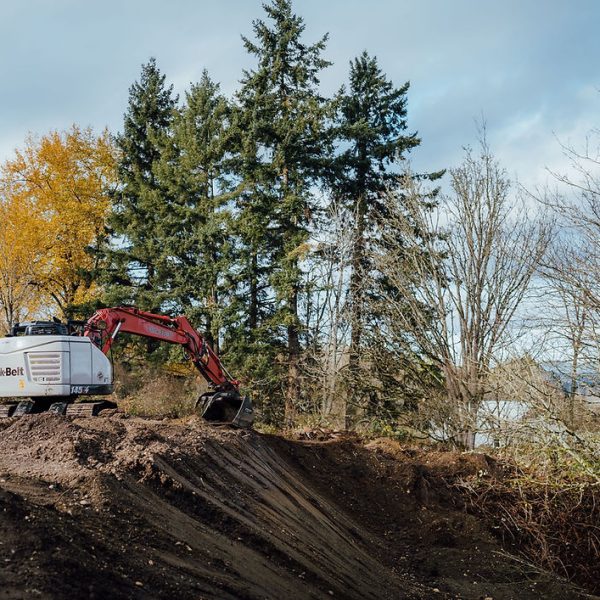
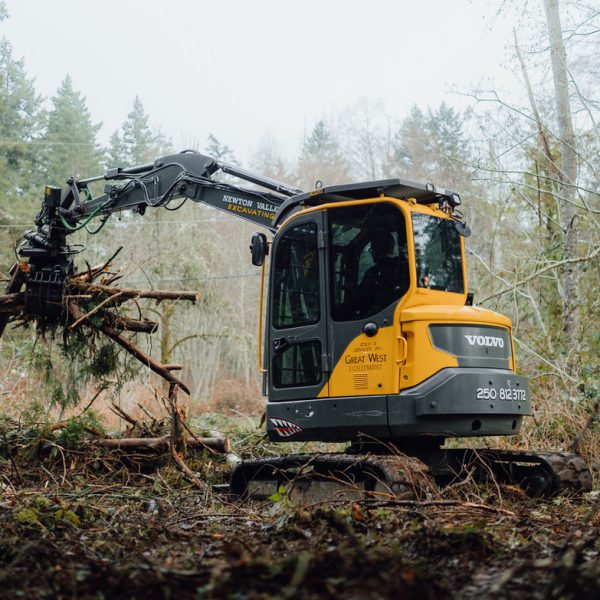
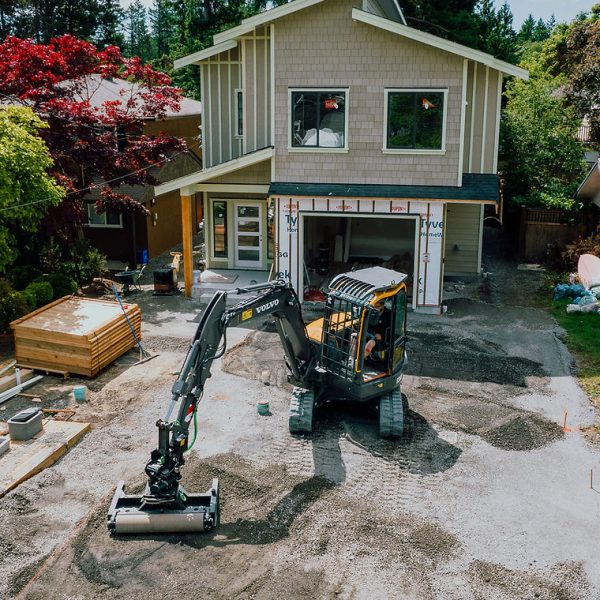
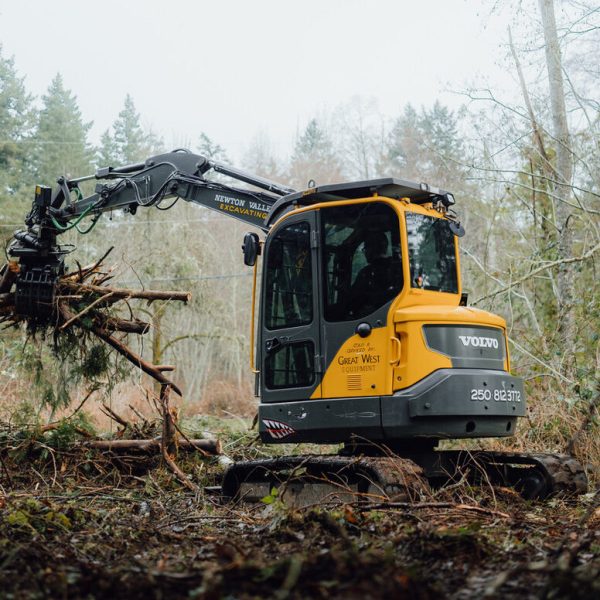
- Excavation and site shaping
- Installation of retaining walls, steps, and hardscape structures
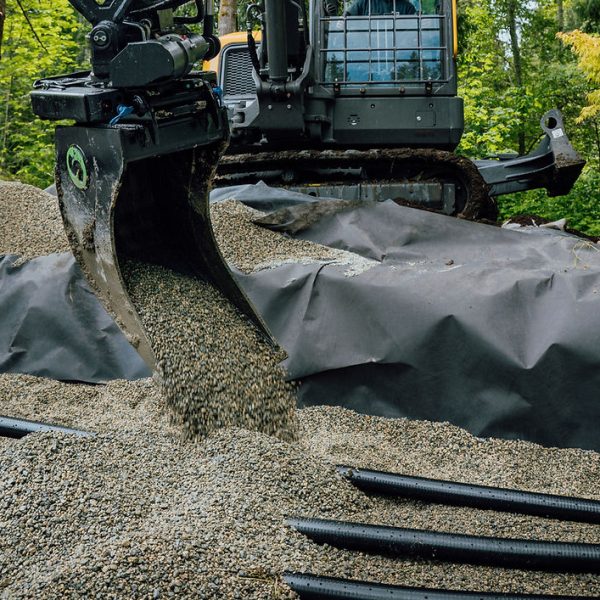
- Utility and drainage installation
- Surface preparation for planting and finishes
This stage requires precision, sequencing, and adaptability – especially when dealing with changing site conditions or weather.
Stage Six: Finishing Touches and Quality Review
The final stage brings the project together visually and functionally. Finishing work ensures the landscape not only looks complete but also performs as intended.
This includes:
- Final grading and surface adjustments
- Installation of planting, soil, and ground cover
- Detail work on edges, joints, and transitions
- A full quality review to confirm design intent and construction standards.
A thorough walkthrough ensures the project is complete, cohesive, and ready for long-term use.
Why a Design-Build Landscape Construction Company Intervention is Important
Working with a single team for both design and construction offers clear advantages over traditional multi-contractor models.
Benefits include:
- One point of accountability from start to finish
- Better alignment between design intent and construction reality
- Reduced delays caused by miscommunication
- Greater cost control through integrated planning.
For projects involving grading, excavation, drainage, and structural landscape elements, a design-build approach is often the most efficient path to success.
Our Approach to Landscape Design and Construction
Our landscape design and construction services are built around precision, coordination, and long-term performance. We don’t treat landscaping as an afterthought – it’s an engineered extension of the property.
Here’s how we deliver better outcomes:
- Integrated Design and Construction: We manage the entire process, ensuring design decisions are practical and construction-ready from day one.
- Strong Technical Foundation: Our background in excavation and site preparation allows us to address grading, drainage, and structural needs accurately.
- Custom-Built Solutions: Every project responds to the specific site, lifestyle, and functional requirements – never a template approach.
- Clear Communication and Project Oversight: We coordinate trades, timelines, and site logistics to keep projects moving efficiently.
- Durability-Focused Execution: Materials and methods are selected for longevity, performance, and suitability to local conditions.
By combining planning, construction, and project management, we deliver landscapes that perform – not just look good on day one.
Final Thoughts
The journey from concept to completion in landscape design and construction is a structured process that balances creativity with technical expertise. When done right, it results in outdoor spaces that enhance daily living, improve property value, and withstand real-world conditions.
If you’re planning a landscape project and want a streamlined, professional experience, working with a full-service landscape construction company makes all the difference. From early ideas to final execution, the right team ensures every detail is handled with care and precision.
Ready to bring your landscape vision to life? Let’s plan, build, and refine an outdoor space that works as beautifully as it looks.
FAQs
These services typically cover design planning, excavation, grading, hardscape installation, drainage, and final landscape finishes.
Timelines vary based on scope and complexity, but most residential projects range from a few weeks to several months.
Design-build reduces miscommunication, shortens timelines, and improves cost control by keeping everything under one team.
Some elements, such as retaining walls or drainage changes, may require permits depending on location and scope.